Cart
0

Summer Secrets: An Ayurvedic Guide to Glowing Skin & a Balanced Body
Summer has a way of turning up the volume on everything — the sun, our schedules, and, according to Ayurveda, the heat within our own bodies. When that internal heat builds up unchecked, it can show up as inflammation, breakouts, skin sensitivity, dehydration, and that unmistakable summer sluggishness.
The good news? Ayurveda has been solving this problem for thousands of years. This ancient system of wellness teaches us that the key to a balanced summer isn't fighting the season, but working with it — cooling the body from the inside out and slowing down when the sun tells us to.
Understanding Your Dosha in Summer
In Ayurveda, everyone carries a unique combination of three energies, or doshas — Vata, Pitta, and Kapha. Summer is naturally Pitta season, bringing more heat, intensity, and dryness. Even if you're not a Pitta type, this extra heat can affect everyone.
Sun exposure is one of the biggest aggravators of Pitta in summer, and unprotected skin bears the brunt of it — redness, sensitivity, premature aging, and breakouts are all signs the skin's natural heat balance has been disrupted.
What Happens to Each Dosha during Summer
Pitta may become more sensitive, overheated, or experience skin redness and breakouts.
Vata may feel dehydrated, fatigued, or notice dry skin.
Kapha often feels lighter and more energetic but can still become sluggish if exposed to excessive heat and heavy foods.
Remember that every dosha responds differently to rising temperatures, and understanding your own tendencies can help you make more intentional choices about food, movement, and rest throughout the season.
The tips below are rooted in cooling, grounding, and hydrating practices that support all doshas, with an emphasis on calming excess Pitta.
Hydrate with Nature
Ayurveda holds that skin health is a reflection of internal balance. Antioxidant-rich foods — berries, pomegranate, amla (Indian gooseberry), leafy greens — along with adequate hydration (coconut water, cucumber-infused water, herbal teas) help the skin resist oxidative damage from sun exposure. Excess sugar, fried food, and alcohol are thought to aggravate Pitta and worsen sun sensitivity, so moderating these in summer supports the skin's resilience.
Start your morning with warm water instead of cold — add a splash of lemon, a spoonful of ghee, or a handful of soaked fennel seeds to gently kick start digestion. And while it may be tempting to reach for an iced drink on a hot day, Ayurveda advises against it, especially with meals. Ice-cold beverages can dampen your digestive fire (agni), making it harder for your body to break down food efficiently.
Eat Cooling Foods
Your plate is one of the most powerful tools you have for staying balanced. Lean into naturally cooling, water-rich foods like watermelon, cucumber, mint, leafy greens, and fresh seasonal fruits.
At the same time, try to dial back spicy, fried, and heavily processed foods, which tend to generate internal heat. Ayurvedic herbs and spices such as turmeric, cumin, tulsi (holy basil), and saffron can be woven into meals to support digestion without adding excess fire.
Shield before you step out
Physical barriers come first. Lightweight, breathable, light-colored clothing, wide-brimmed hats, and shade during peak sun hours (roughly 11am–3pm) are considered the most reliable protection — far more dependable than any single product.
Sunblock SPF 50+ is one of the most important steps in any summer skincare routine. It blocks UV radiation, which is the primary driver of sunburn, premature aging, hyperpigmentation, and long-term skin damage. Pair it with pure vitamin C for a powerful combo — while sunscreen shields the skin from UV rays, vitamin C works as an antioxidant to help neutralize the free radical damage that gets through, supporting brighter, more resilient skin over time.
A simple daily order:
- Cleanse
- Vitamin C serum (morning)
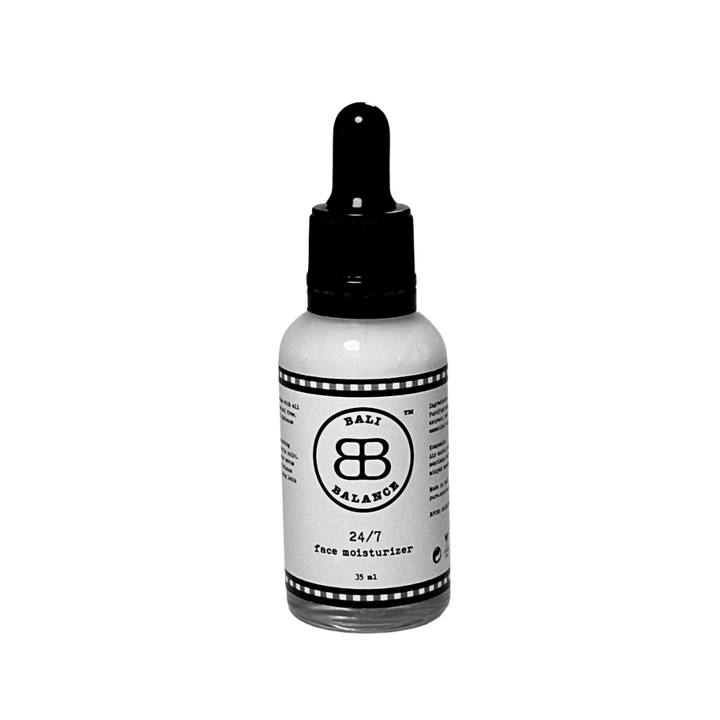
- Moisturizer
- Sunscreen
- Reapply sunscreen every 2 hours if you're outdoors
Aloe vera, the classic post-sun remedy
Fresh aloe vera gel is one of Ayurveda's go-to remedies for sun-exposed or irritated skin. Its cooling, anti-inflammatory qualities make it ideal applied directly after time outdoors, especially on the face, arms, and neck.
Nourish Your Skin with Oils
It may seem counterintuitive to add oil to your skin in the heat, but Ayurveda has long championed Abhyanga, or self-massage, as a summer essential. A gentle massage with virgin coconut oil — known for its naturally cooling properties — helps soothe sun-exposed skin, lock in moisture, and calm the body's built-up heat.
A thin layer of coconut oil or sesame oil (in cooler climates) on exposed skin can help create a light protective barrier and calm the skin before and after sun exposure. This isn't a substitute for sunscreen, but it complements it — oil after sun exposure especially helps soothe skin and replace moisture lost to heat.
Don't stop at your body. Massaging the scalp or feet with oil before bed is a simple ritual that helps ground the body and can noticeably improve the quality of your sleep.
Check Bali Balance's coconut oil selection here
Mist & Refresh
Keep a natural floral mist — lavender, rose or jasmine are lovely options — within arm's reach throughout the day. A quick spritz on the face and neck offers an instant, refreshing way to hydrate and cool the skin whenever you need a reset.
Slow Down During Peak Heat
Ayurveda encourages honoring the sun's rhythm rather than pushing against it. That means avoiding intense exercise or strenuous activity during the hottest hours of the day, typically late morning through mid-afternoon. Instead, save more vigorous movement for the cooler parts of the day, and let yourself slow down when the heat is at its peak. Listening to your body's natural rhythm isn't a luxury — it's a form of self-care.
Did you know?
In Ayurveda, applying coconut oil before a workout or bath is actually a traditional practice, not a modern hack — here's how it works:
Before exercise
A light coat of oil on the skin (sometimes just on joints, palms, and soles) is meant to:
- Protect and lubricate joints during movement
- Prevent excess heat and friction from building up, especially in summer/Pitta season
- Ground and calm the nervous system before exertion
Keep it light — a thin layer is enough. Too much oil can make you feel greasy or overheated once you start sweating, and it may attract more dirt/sweat buildup during a hard workout. Many people prefer a quick oil massage on the scalp and feet rather than the whole body if they're heading into intense exercise.
Before a bath
This is the classic Abhyanga (self-massage) ritual — oil the body 15–20 minutes before bathing, then let it soak in before rinsing off with warm (not hot) water. The idea is:
- Oil draws out heat and toxins, which the bath then washes away
- It leaves skin nourished rather than stripped, since hot water alone can be drying
- It's traditionally done in the morning to set a calm, grounded tone for the day
A few practical notes:
- Coconut oil specifically is prized in summer because it's naturally cooling — great for calming Pitta.
- Avoid a full oil massage right before very vigorous or hot-weather exercise, since it can trap heat against the skin; a lighter application works better in summer.
- If bathing after exercise, this order works well: light oil → exercise → warm (not hot) shower to rinse, rather than one heavy oil massage layered before both.
Prioritize Restful Sleep
Sleep is when the body does its deepest repair and restoration work, and this is especially true in summer, when heat and long daylight hours can disrupt our natural rhythms.
A consistent sleep routine supports healthy, glowing skin and helps the body recover from the day's heat.
Consider closing out your evening with a calming ritual — dimming the lights, sipping a warm herbal tea, listening to the music, journaling or practicing a few minutes of gentle stretching — to signal to your body that it's time to wind down.
Summer doesn't have to mean burnout, breakouts, or depleted energy. By hydrating intentionally, eating cooling foods, nourishing your skin, and honoring your body's natural rhythms, you can move through the season feeling balanced, radiant, and at ease. As Ayurveda reminds us, the goal isn't to resist the season — it's to flow with it.